Now, I recognize that (aside from wine writers, sommeliers and other wine professionals), the number of Americans who appreciate great Riesling – even great dry Riesling – is maybe 1% of the number who believe the earth is flat. But if you’re one of the rare ones who do, you get to buy incredible wines like this at prices that are borderline ridiculous.
(It's like being the only person to realize how good lobster is 200 years ago, or bluefin tuna in the 1920s. Or living in Venice today and having them pay you to take blue crabs.)
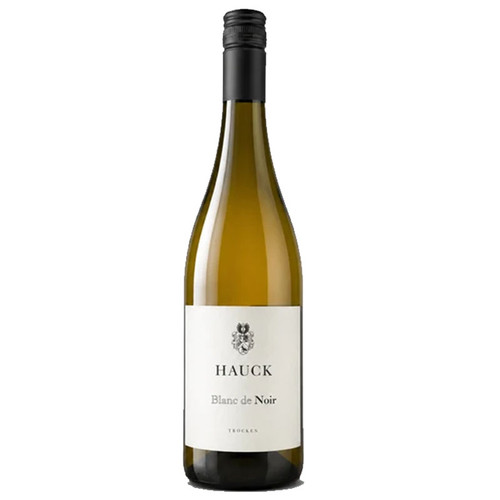
It's not only dry but REALLY dry: just .5 g/l residual sugar (less than virtually any Chardonnay or even Cabernet on a grocery store shelf. But with just so much old-vine depth and complexity of flavor.
Falstaff rates it outstanding, saying:
Spicy and stony notes accompany the ripe fruit on the nose, white and yellow peach, lemon balm. Finely crafted Riesling with a delicate interplay of fruit and acidity, underpinned by citric and mineral notes, the extract unfolds smoothly.
For her part, Hauck says:
These old vines give this wine its concentrated aromatic structure without limiting its youthful ease. The vineyard sites in Bermersheim are characterized by the limestone soil and the high altitude of the vineyards.
The bouquet is very aromatic, characterized by fruit and floral notes. On the palate, this Riesling shows notes of green apple,nectarine, orange blossom, lemon zest and lime juice. Some nice saltiness/minerality accompanies the fruity and floral note, typical for Riesling grown on limestone. Medium body, with some hint of creaminess on the palate.
Grand Cru dry Riesling quality at a fraction the price.